Choose a Gary activity that fits your day
For a first visit to Gary, Indiana, choose one main activity: a Miller Woods walk, a Marquette Park outing, an arts visit, a scheduled RailCats game or an adult concert outing. Use the comparison below to match the choice to your group, then open the operator’s current information. Add another stop only when its location, opening and journey work with that main activity.
This guide compares things to do in Gary, Indiana. Miller Beach is part of Gary; Gary City, Texas is a different community. The list separates an outdoor walk, a building visit and a dated event, so a familiar place name does not hide the practical choice. Sources checked ; opening, ticket and condition links remain the place to check your own date.
| Choose this | Best starting purpose | Format and location | First action |
|---|---|---|---|
| Miller Woods / Paul H. Douglas Trail | Make a nature walk the main activity. | Outdoor; Miller area of Gary. | Choose an NPS route and check conditions. |
| Paul H. Douglas Center | Explore environmental exhibits or find a dated learning program. | Indoor, with optional outdoor facilities; Miller. | Check the center’s opening day, then its program information. |
| Marquette Park | Plan park time around a picnic, play or a lakeshore setting. | Outdoor; Miller Beach. | Select the actual park facility. |
| Aquatorium and Pavilion architecture | Look at the park’s distinct historic buildings. | Exterior interest; interiors or events need separate confirmation. | Use the city map and Aquatorium operator; verify any intended entry. |
| Gary SouthShore RailCats | Build the outing around a confirmed baseball game or other scheduled occasion. | Date-dependent stadium visit; Steel Yard, One Stadium Plaza. | Open the official schedule and ticket routes. |
| Gardner Center arts visit | See a chosen exhibition or attend a listed arts activity. | Indoor/event; 540 S. Lake Street. | Choose a current exhibition or event. |
| Library and Cultural Center | Combine a public gallery or library visit with an interest in local culture. | Indoor; 220 W. 5th Avenue. | Read the gallery information and check the correct location’s hours. |
| Hard Rock Live | Make a chosen concert or performance the main event for an adult group. | Date-dependent indoor venue; 5400 West 29th Avenue. The operator requires all guests to be 21 or older. | Check the exact show and venue entry requirements. |
| Jackson family music heritage | Understand the local story before considering a place-based visit. | History reading; any property or event access must be established separately. | Start with Gary’s history guide; do not assume house tours. |
These are activity choices, not an “open now” feed or a promise that every option is available on the same day. A park visit can be flexible; a game, exhibition or program gives the day a fixed condition. Pick the option that matters most before arranging meals, transport or additional stops.
Nature and learning: choose the walk or the center
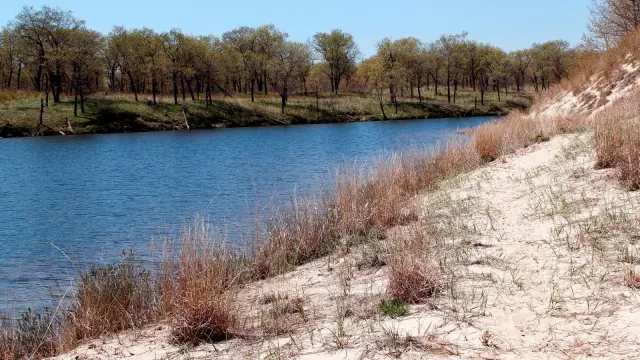
Miller Woods, on the Paul H. Douglas Trail, suits a visit in which the landscape is the main interest. The NPS trailhead is at 100 North Lake Street. Its published routes distinguish the Douglas Center loop from the longer beach trail. Select the named route from the current manager’s information; do not choose a walk solely because its endpoint contains the word “beach.”
The useful comparison is between spending your available effort on a walk and spending it on another activity later. A group interested in plants, birds, photography or changing habitats may prefer one substantial nature outing to several brief stops. A person who mainly wants a lake view may make a different choice. Ask everyone what they want to notice or do, rather than judging the outing only by the distance covered.
The Paul H. Douglas Center for Environmental Education offers a different starting purpose: exhibits, interpretation and learning opportunities. NPS describes programs and a Nature Play Zone, but a general description is not a reservation for a particular activity. Choose a dated program when that is essential; for an ordinary building visit, first check the current basic information and opening days. The building and surrounding outdoor spaces have separate practical limits.
For a family, this creates two sensible plans. One begins with a learning question inside and adds an outdoor observation if the group wants it. The other makes the trail the main activity and treats a center visit as an optional addition only if opening times allow it. Neither requires every member of the group to commit to the same amount of walking. The Miller Beach guide carries the fuller route and facility comparison.
Access is specific here. The NPS trail page describes the trails as not wheelchair accessible while identifying accessible center, restroom and adjoining walkway facilities. Do not turn the presence of one accessible facility into a description of the whole walk. Start with the surface, distance and facility each traveller needs, then choose the appropriate experience. Current conditions can change the suitability of an otherwise familiar route.
Marquette Park: make the park facility your destination
Choose Marquette Park when your group wants park time, a picnic or play in a lakeshore setting. The city’s map distinguishes the Pavilion, picnic facilities, children’s play area, shoreline areas and other features. Its published park address is 1 North Grand Boulevard. Use a named facility or agreed entrance as the meeting place; “Miller Beach” is too broad to identify where a group should assemble.
For a picnic-led outing, decide whether you need an ordinary place to sit or a reserved facility for a larger gathering. Those are different planning jobs. Read the city’s facility and permit information before assuming that an available-looking space can accommodate your equipment or event. Let a confirmed park arrangement determine how much else to add, especially when people are bringing food or arriving independently.
For a play-led visit, make the play area the priority rather than promising children a beach, long walk and building visit as one package. Identify where the adults will supervise and where the group will meet afterwards. Choose an optional second activity that can be skipped when attention or energy runs out. A successful short park visit does not have to include every feature printed on the map.
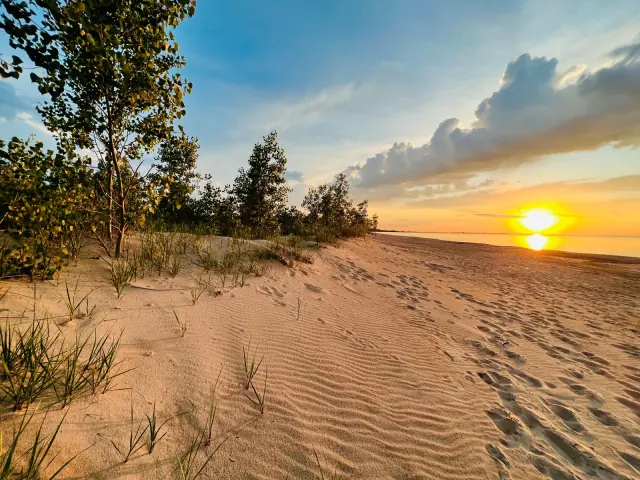
Separate seeing Lake Michigan from swimming in it. The municipal map distinguishes designated swimming areas from other shoreline, and current beach signs, staffing and conditions matter on the visit date. This page does not promise lifeguards or swimming availability. For detailed beach decisions and the responsible condition sources, use the existing lakefront guide. Park architecture, a picnic and water entry should never be treated as interchangeable activities.
Architecture: distinguish the Aquatorium from the Pavilion
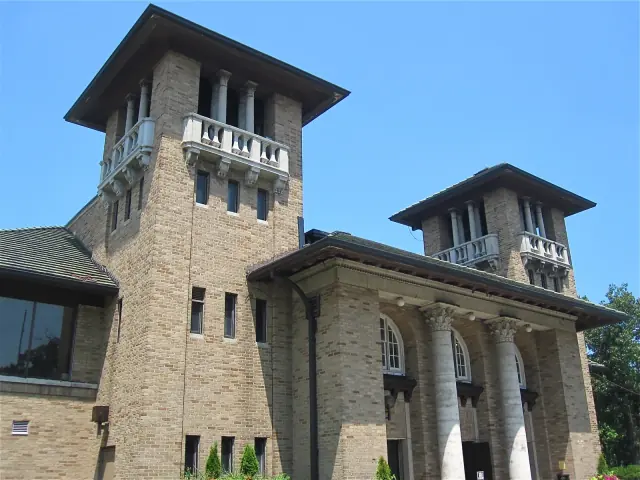
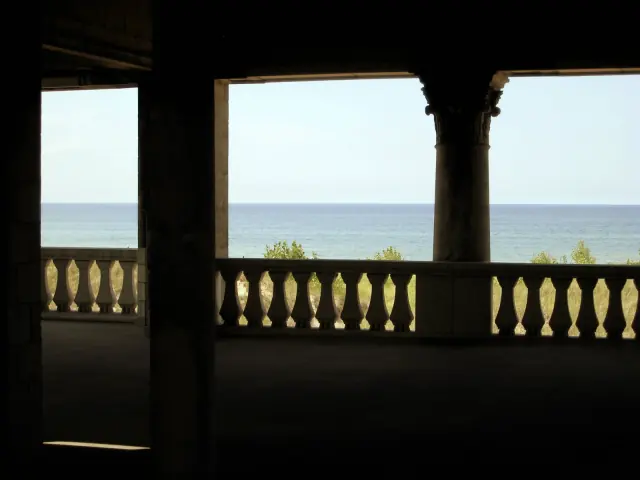
The park’s Aquatorium and Pavilion are separate buildings. If architecture is your interest, identify which structure you want to see and what kind of visit would satisfy that interest. Looking at a building’s form in its park setting is different from entering an exhibition, attending a private event or booking a tour. The city map is useful for orientation; the venue is the source for a particular interior arrangement. The city describes the Aquatorium as a 1921 building designed by George W. Maher & Son, and identifies its neoclassical architecture. That gives an architecture visit a documented subject beyond the lake view, without implying that a tour is available.
The Chanute Aquatorium Society describes the Aquatorium’s aviation-related commemorative purpose and provides its own event and reservation routes. Use that operator information when an organized visit matters. Do not arrive expecting an interior attraction simply because a historical photograph shows the building or an online directory lists its name. The companion park visit can still have a purpose when an interior is unavailable, provided the public area you intend to use is open.
Give the photography or architecture part a specific focus: compare how the building frames the lake, examine visible exterior details from permitted areas, or read about its documented role before arriving. That produces a different experience from briefly collecting another destination pin. Respect any barriers, reservation boundaries and signs in place; a scenic view does not establish permission to enter a restricted space.
RailCats baseball: choose the date before building the outing
A Gary SouthShore RailCats visit is a good candidate when the event itself is the reason to come to Gary. The official team site identifies Steel Yard at One Stadium Plaza, Gary and provides schedule and ticket routes. Start with a specific home event, its date and the applicable admission information. A stadium listing is not a promise that a baseball game takes place whenever you are free.
Read the season attached to the result you open. The official site has season-labelled schedule and ticket material, so match the game and ticket information to the same event. The guide therefore does not publish a static price list or copy a fixture calendar. Follow the actual event through the official site and confirm the terms associated with it. This is especially important for a special occasion that differs from an ordinary game.
For a group, decide which part of the event matters: watching the whole game together, introducing a child to baseball, or sharing a planned social occasion. That choice affects seating, arrival and how much additional activity makes sense. Check the operator’s ballpark policies for the specific visit before deciding what to carry. A park-picnic packing plan should not automatically become a stadium packing plan.
Keep the journey home beside the event plan. Use the venue’s directions for its entrance, but use transport operators for current services. The Gary–Chicago transport guide explains that distinction and flags the unresolved date-specific Metro Center boarding information. If the event is not available on your date, select another main activity; do not substitute an assumed stadium tour.
Arts and indoor choices: choose the program, then the venue
The Miller Beach Arts and Creative District publishes exhibitions, events and activities. Its Marshall J. Gardner Center for the Arts is at 540 S. Lake Street. An arts visit works best when you choose a particular exhibition or event that interests the group, rather than using “arts district” as an assurance that every space is open at arrival.
Open the individual listing and match the date, venue and any participation instructions. An opening reception, an ordinary exhibition visit and a class can have different arrangements even when they share a building. The home page’s market or community activity links also need their own dates. A seasonal farmers market should not become a year-round promise merely because its menu entry remains visible.
For visitors comparing art with the lakefront, consider the kind of attention each activity invites. An exhibition may reward a focused conversation about a few works; a nature walk may suit a group that wants movement and open-ended observation. Choose the experience first and let the other become optional. If both are important, establish the gallery’s available window before deciding the order.
The Gary Public Library’s gallery information offers another cultural starting point. It identifies a public gallery at the Gary Public Library and Cultural Center; the hours and locations page places that location at 220 W. 5th Avenue. Select that location deliberately, because other branches have different addresses and schedules.
The gallery page contains examples of earlier exhibitions. Use those to understand the space’s role, not to name the current display. If a particular artist, collection or research purpose is essential, use the library’s current information or ask the library before arranging a visit around it. A normal library visit, an exhibition and access to a specialized collection may involve different staff or arrangements.
For a rainy-day choice, either arts or library time can be useful only when the relevant building is open and the planned activity is actually available. Choose an indoor alternative in advance, with its real opening day and location saved. An unverified university gallery or private venue is not a dependable fallback.
Hard Rock Live: an adult concert option
For a music-led evening, compare a specific Hard Rock Live performance with the arts or baseball choices above. The venue is part of Hard Rock Casino Northern Indiana at 5400 West 29th Avenue, Gary. Its official policy makes this an age-21-and-over option, with acceptable photo identification required. Choose a different activity for a group containing younger visitors; a familiar performer or family-oriented show title does not change the property’s entry policy.
Start with the actual performance listing rather than the general entertainment page. Match the show date, year and venue, then follow the operator’s ticket route and read the terms for that event. A list may contain past and future performances together. The purpose here is to identify a concert choice, not to reproduce a changing event calendar, promote a gaming offer or quote a ticket price that may no longer apply.
Use the venue information before buying or arranging the group’s travel. It addresses admission, permitted items and accessible-seating enquiries. Ask about the arrangement required for your party before relying on availability on the day. Decide whether the concert is the whole outing or whether an independently checked daytime activity fits before it; the west-side property is a separate destination from the Miller lakefront.
Keep the concert plan separate from any other activity offered on the property. You can evaluate the performance on its own date, admission and travel requirements. Save the return arrangement before committing to an evening, and use the operator’s current FAQ when an entry requirement is unclear.
Music heritage: understand the story before seeking access
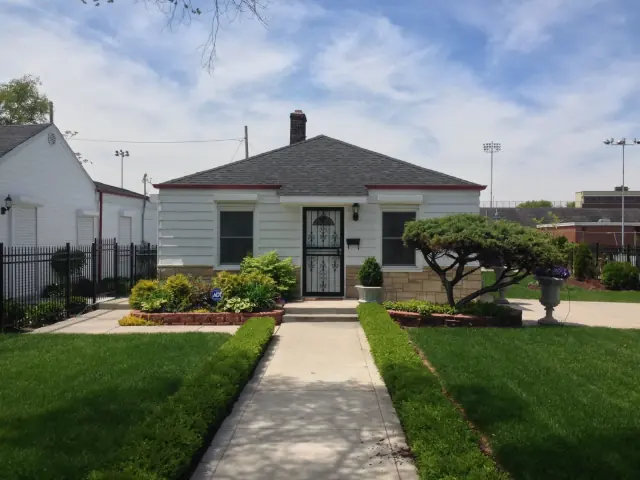
Gary’s Jackson family connections are a reason some visitors choose the city. The childhood-home exterior is a historical subject, but it should not be described as a routinely open house museum without operator evidence. The Gary history guide provides the wider documented context and research routes. Start there when you want to understand how a place relates to the family’s story rather than simply reach a photograph location.
A heritage-focused visit can mean reading the history, visiting a confirmed public cultural program, or viewing a place only where access is clearly permitted. Those are separate choices. This guide has not established a current public-admission or interior-tour program for the house. Do not assume a building can be entered, an organized event is upcoming, or a memorial looks exactly as it did in a dated photograph.
Keep event years visible. An announcement about a past celebration explains that particular occasion, not a continuing annual schedule. If a future music-related event interests you, obtain its organizer’s current date, venue and admission information before making it the day’s anchor. The activity list is also not an invitation to explore abandoned buildings or enter private grounds for a historical photograph.
Build a short visit or a longer outing
A short nature introduction
Choose the Douglas Center area when the purpose is an introduction to the landscape rather than reaching the farthest possible point. Check the building’s opening day, then decide whether the group wants the center, a suitable adjoining outdoor experience, or a named trail. Choose only the part that fits everyone’s abilities. If the building is closed, reassess the outdoor plan on its own merits rather than assuming the center’s facilities will still be available.
Make one observation the focus: how the woodland and wetland settings differ, what the group notices about a pond edge, or which landscape question to explore later. Bring that interest back to an official interpretive source. This creates a complete short outing without requiring a second attraction or copying the longer beach route. Use the full lakefront guide if the walk itself becomes the day’s main project.
A short cultural stop
Choose either a confirmed Gardner Center exhibition or an available Library and Cultural Center visit. Read about the chosen display or space before travelling, and give the group one shared question: which work prompted a different interpretation, or which local story deserves more reading? This makes a shorter visit purposeful even when there is time for only one location.
If the particular program is unavailable, choose another verified activity before starting the journey. A building with an appealing name is not a substitute for the thing you intended to do inside it. Leave time for getting from the entrance back to your transport; a short visit can still have a substantial journey. The museum-style stop and the library-style stop should not be counted as a walkable pair without checking the actual locations.
A longer outing led by the outdoors
Choose either a Miller Woods walk or a Marquette Park activity as the anchor. For the walk, make the route decision using NPS information. For the park, select the particular picnic, play or architecture purpose using the municipal map. Arrange the group’s food and return journey around that choice. A longer day allows useful pauses; it does not require crossing off every lakefront name.
Consider one second activity only after checking the first activity’s demands. A confirmed arts visit can provide a different kind of attention, while a park architecture stop may keep the day focused on the lakefront. Their actual entrances, opening windows and journeys determine whether they combine sensibly. If weather or fatigue changes the main plan, shorten the outing or use the independently checked indoor alternative instead of rushing the remaining stops.
A longer outing led by a scheduled event
Begin with the confirmed RailCats event or arts program. Record its admission arrangement, date and venue. Decide how early your own group needs to reach the entrance and which part of the experience you intend to stay for. Then add a flexible activity before it only if the locations and transport leave a workable margin. A walk that overruns can jeopardize a fixed start; the flexible part should be the easiest part to remove.
These examples are editorial planning patterns, not timed itineraries. They contain no measured driving or walking durations, guaranteed queues, invented bookings or sample ticket totals. Use the official source for the fixed commitment, then choose realistic allowances for your own group. An enjoyable day can consist of one good main activity and a reliable journey home.
Choose for children, access needs and mixed interests
Begin with the person whose needs most strongly affect the plan. That might be a child who needs shorter activity blocks, someone who requires a particular surface or entrance, or a traveller who must return at a fixed time. Make those requirements visible before choosing the longest walk or the latest event. It is easier to select the right format than to persuade a person to endure an unsuitable one after arrival.
For children, distinguish a play opportunity from an activity that requires quiet attention or sustained walking. Marquette Park’s mapped play facilities, an environmental-learning visit and a baseball event offer different experiences. Ask which one is actually available and appropriate for the child’s interests. A center’s program description is not evidence of a staffed drop-in children’s activity on every day, and a family-oriented venue still has its own admission and supervision rules.
For access planning, ask the destination about the specific experience: reaching the entrance, moving through the space, using seating or restrooms, and leaving afterwards. For a stadium, confirm the relevant seating and companion arrangements with the operator; for an exhibition, identify the actual room and entrance; for a park, distinguish a building or walkway from sand and trail surfaces. The NPS distinction between the Douglas Center’s identified facilities and its non-wheelchair-accessible trails illustrates why a single “accessible” label is inadequate.
A mixed-interest group can choose one shared anchor and one optional branch without splitting into an improvised search for other places. Agree who is doing what, where the group will meet and how the return changes if someone leaves early. Keep the meeting description specific enough to use without a map screen. If the day cannot meet everyone’s essential needs, choose a different format or visit separately rather than treating the longest plan as the default.
Find lower-cost choices without hiding the other costs
Compare the cost of the actual activity and journey, not just a headline admission label. The NPS fees page states that entering the Paul H. Douglas Center does not require a fee. That narrow center-entry statement does not make every national-park activity, parking arrangement or nearby state-park visit free. The national park and state park have separate fee systems.
For a possible no-admission-charge cultural option, read the specific public gallery or activity’s current terms rather than assuming that every associated program has the same price. For park time, check parking and any reserved facility separately. For a ticketed event, use the dated operator offer and applicable terms. This guide deliberately avoids reproducing a stale ticket amount as the cost of your future visit.
A simple comparison has separate rows for admission or tickets, transport, parking where applicable, and food or equipment that you actually need. Keep confirmed amounts beside the source and date, and leave an unknown amount blank until checked. Do the comparison for the same group of people. A no-admission stop requiring an extra journey may not be the lower-cost choice for that group, while a single paid event may use the whole outing budget. Your decision should remain clear about which part is a verified charge and which part is your own allowance.
Adapt the plan for season, weather and unavailable options
Match the format to the actual season and day. A lakefront photograph, a summer promotion and a dated event notice show different things. None establishes suitable outdoor conditions for your visit. Before committing to nature or shoreline time, check the manager’s current conditions and the relevant weather or beach information. A view of the lake does not require entering the water.
For an indoor fallback, save an actual available option, its address and the point at which your group will change plans. Check the opening day as well as the general hours. A library closure or an unavailable exhibition can make an apparently easy replacement unusable. If both the main activity and the fallback fail, shortening or postponing the outing is a complete recovery choice; the itinerary does not need an improvised extra stop.
Annual-event names need special care. The city’s 14 August 2026 announcement cancelled the 2026 Gary Air Show. This guide does not turn an old annual-event description into an upcoming date. For any later edition, start with new organizer information. Likewise, a baseball schedule and an exhibition listing need the relevant season or year, not merely a recognizable venue name.
Match the arrival point to the activity
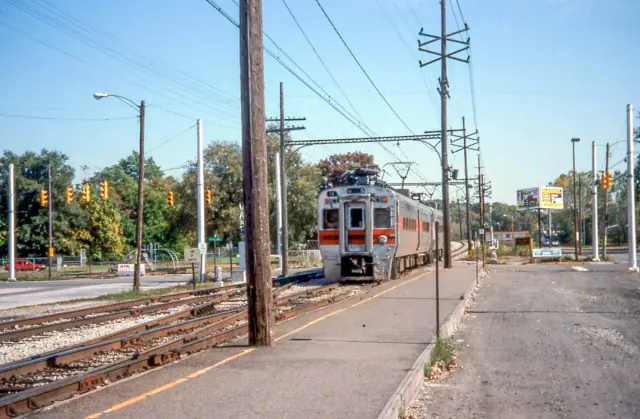
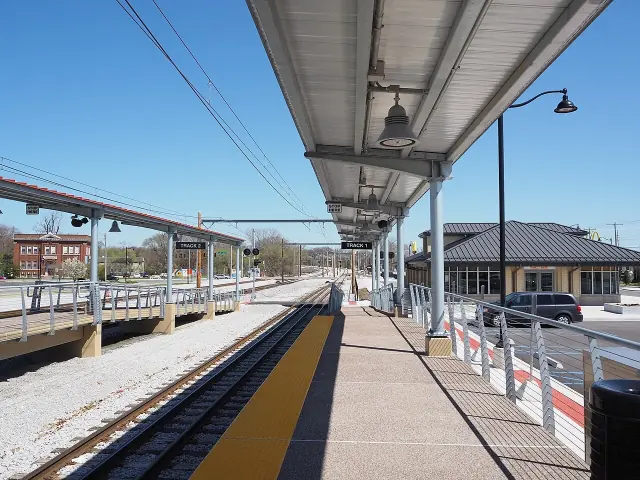
Choose the destination before choosing the train station or parking arrangement. Miller station, the Gardner Center, the Douglas Center and Marquette Park are different places. Downtown cultural or ballpark plans have their own entrances. Save the specific destination name and address, then arrange the journey from your origin to that entrance and back. The transport guide contains the full operator-checking workflow and the Miller arrival planner.
Use venue directions to understand the destination, then use South Shore Line and GPTC for their current services. Do not copy a museum, park or ballpark page’s older bus description into a new itinerary without checking the operator. For a car-based visit, use the responsible venue’s current arrival and parking information; this page does not assign a permanent travel time between activities.
Save enough of the confirmed plan to recover from a poor connection: destination and entrance, the fixed event reference where applicable, the intended return and the official contact route for a change. A screenshot of an old timetable is not live operating information. For your first visit, a straightforward trip to one selected activity can be more workable than several transfers between unrelated stops.
Keep Gary and nearby regional destinations separate
This shortlist focuses on Gary, Indiana. Miller Beach belongs within that scope, while a regional tourism result may include places in another municipality. Indiana Dunes National Park covers multiple sites; its name alone does not locate a particular entrance inside Gary. Indiana Dunes State Park is a different managed destination. Check the actual place and entrance before adding either as though it were the same stop as Miller Woods or Marquette Park.
Nearby choices can still make sense, but label them honestly in your own itinerary and budget for their separate journeys, facilities and rules. Use the map and address guide when a postal label, destination name or authority is unclear. If a trip also includes Gary City, Texas in a saved search, return to the two-city chooser; this Indiana activity guide does not combine the two places.
Questions about choosing Gary activities
What should I choose for a first visit?
Choose one purpose from the comparison table: landscape, park time, architecture, a confirmed arts visit or a scheduled game. Match its location and requirements to the group, then use the appropriate official source. The broad Indiana hub adds resident services and city context when the visit has other purposes.
Can I organize a visit without a car?
Possibly, but the decision depends on the actual origin, activity entrance, date and return. Start with the operator and final-leg checks in the transport guide. This page does not describe all the activities as one walkable circuit or guarantee an on-demand ride.
What can I do indoors?
Check an available Gardner Center exhibition or program, the Library and Cultural Center’s public gallery information, or the Douglas Center. Each needs its own date and opening check. An indoor label identifies the activity’s format, not a reservation or guarantee that it is available today.
Is Miller Woods the same as Marquette Park?
No. Miller Woods and the Douglas Center use NPS visitor information; Marquette Park has municipal facilities and its own map. Choose the relevant entrance and activity. Their shared Miller Beach setting should not erase those differences.
Can I go inside the Jackson family home?
This guide has not established a current interior-tour or public-admission program. Use documented history and any separately verified organizer information; do not treat a photograph or past celebration as permission to enter a property.
Sources, review and useful next steps
GaryCity is an independent guide, not the operator of these places. The comparison was checked against NPS site and fee information, the city’s Marquette Park material, RailCats operator pages, the arts organization, Gary Public Library and Hard Rock Live’s venue policies. Primary links appear beside the decisions they support. Historical photographs retain their capture dates and credited licenses; they are not evidence of current weather, exhibitions, opening or admission.
Some sources contain older or conflicting details. The NPS trail and general fee wording are not flattened into a blanket free-entry promise. The municipal park page is not used to guarantee lifeguard hours. RailCats material carries season labels, so the applicable schedule and ticket terms should be read for the event itself; static prices or fixtures are not reproduced here. A program listing that needs current confirmation remains conditional. If a link or claim appears stale, use the publisher contact route to identify the exact page, source and issue.
For the next part of your plan, choose the detailed lakefront guide, the Gary–Chicago arrival guide, city history or the responsible-organization directory. Readers interested in why the landscape varies can continue with the Miller Woods landscape article. Keep the activity you selected as the organizing purpose while using those supporting pages.