
Choose your next step in Gary
For a lakefront visit, start with the Miller Beach guide. For a Chicago journey, use the transport planning guide. For a family, building or neighborhood question, open the Gary history guide. For an everyday municipal problem, go directly to Gary 311. These routes answer different needs; choose the one that matches the task you want to complete.
This hub covers Gary in Lake County, Indiana, beside southern Lake Michigan. Gary City in Texas has its own Texas city guide. Put the state into an address search before using a school, property or government result. A shared city name does not connect the two communities' institutions.
Sources reviewed . The sections below explain how to use the city, park, library and transport resources, then help you turn those separate resources into a realistic visit or local task.
Choose the task before the itinerary
A city name is too broad to be a workable destination. “Gary” could mean an appointment at City Hall, a walk through Miller Woods, a day near the lake or a rail journey to Chicago. Begin with one named place and its actual entrance. Build the other parts of your visit around that anchor instead of collecting stops that may not fit together.
| What you need | Start here | Resolve before leaving |
|---|---|---|
| A nature walk | NPS Miller Woods trail information | Route length, surface, current conditions and the group’s ability to return. |
| A city park outing | Marquette Park map and rules | The specific area, access rules and current facility information. |
| A Chicago connection | South Shore Line schedules | The station, correct service day, notices and return journey. |
| Research or a library service | Gary Public Library locations | The branch and whether the required service needs advance contact. |
| A municipal issue | Gary 311 | The location and category of the non-emergency request. |
For a first visit, one principal activity and one optional addition make a more resilient plan than a fixed list of unrelated stops. Decide which activity you would keep if transport ran late or the weather changed. That choice gives you a clear recovery plan without needing a new itinerary on the spot.
Read the place names correctly
Keep the state in every map search and reservation. A result containing “Gary” does not establish that the address is in Gary, Indiana. For a rail journey, use the operator’s station name. For a park visit, use the park manager’s entrance or trailhead. For a public service, use the office responsible for the task rather than assuming that every Gary address is handled at City Hall.
The names Miller Beach, Miller Woods and Miller station are useful starting points, but they describe different destinations. Do not translate a shared name into an assumed walking connection. Plot both ends of the trip, identify the actual public entrance and check the route between them. A station can serve an area without being the entrance to every attraction associated with that area.
The same care applies to postal addresses, neighborhood descriptions and service boundaries. A ZIP code helps with mail; it is not a substitute for a destination pin, a legal municipal boundary or school-assignment confirmation. When an address is consequential, save the full address, the organization’s own page and the date you checked it. That small record is more useful than a screenshot of an unlabelled map pin.
Choose between a trail, an education center and a city park
Miller Woods: choose the route that fits your group
The NPS Paul H. Douglas Trail page describes a 0.9-mile Douglas Center loop and a 3.4-mile beach route, with the longer route rated moderate. The listed trailhead is 100 North Lake Street, Gary, IN 46403. Those are published route descriptions, not a live report that a path is open or suitable for your party today.
Choose the shorter or longer outing before you commit to a return connection. A beach destination at the end of a walk is still part of a round trip; the outward leg is not the whole effort. Leave room for pauses, a slower member of the group and a decision to turn around. A fixed departure time later in the day should influence how much walking you begin.
The Douglas Center: give indoor learning its own place in the plan
The Paul H. Douglas Center is an environmental-education facility in Gary, with exhibits and educational programming connected to the surrounding landscape. Its published program descriptions do not establish that an activity is running on the date you visit. Check the official event information when a ranger activity or a particular indoor experience is the reason for the trip.
For a mixed-interest group, decide whether the center itself is the main stop or an addition to a walk. That distinction helps answer practical questions: do you need a scheduled program, will someone want a shorter outing, and what will you do if the building is closed? Avoid making an indoor activity dependent on completing a walk that not everyone wants to attempt.
Marquette Park: use the map to choose an area
The city’s Marquette Park map and rules identifies distinct places including the Pavilion, Aquatorium, picnic areas and beach areas. Treat those as separate stops with their own purposes. Pick the feature you want first, then confirm its public access and the appropriate arrival point.
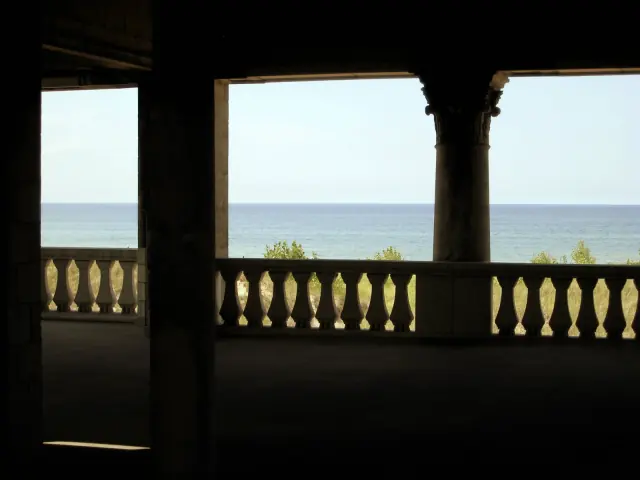
An architectural photograph can help you recognize a place; it cannot establish that its interior is open, that an event is public or that a booking is available. If you are visiting for an exhibition, ceremony or organized activity, verify it with the organizer. If you simply want a park outing, a venue’s event schedule should not become an assumed requirement for enjoying an independently accessible public area.
For wider park questions, use the City of Gary parks department. Keep city-managed places and National Park Service places separate when checking permits, rules or closures. Information published by one manager should not be applied automatically to another manager’s site.
Make a lakefront plan that can change
The park service advises checking weather and local beach warnings before an outing and changing plans when conditions warrant. Use its Indiana Dunes safety guidance and conditions page for the relevant official information. A pleasant air temperature or an attractive photograph does not answer whether entering the water is appropriate.
At a city-managed beach, read the city’s posted rules and current signs. The Marquette rules page distinguishes designated swimming areas from other shoreline and contains inconsistent statements about lifeguard hours. This guide therefore does not promise lifeguard coverage. Confirm current arrangements with the city before making supervision or swimming part of the plan.
Prepare a land-based alternative before you travel. That might be an education-center visit, a shorter permitted walk or another independently confirmed indoor stop. The point is to preserve the purpose of the day—time together, learning or a change of scene—without making the entire trip depend on one activity that conditions may rule out.
Plan what you will carry and what you will leave in the vehicle before reaching the entrance. Take the information needed for your return trip with you. If your group splits temporarily, agree on a specific meeting point and a way to reconnect. These are practical planning choices, not a guarantee that any route or place is safe.
Rules for a dog, a bicycle or a picnic can differ by site and by area within a site. Read the rule for the destination you actually chose. Do not assume that permission on a trail establishes permission on a swimming beach, or that a picnic area permits the same equipment everywhere else in a park.
Plan the entire journey, including the return
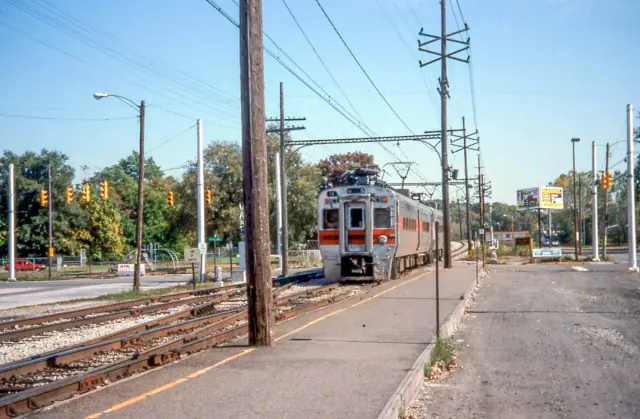
The South Shore Line station guide lists Miller in Gary at 760 S. Lake Street and Gary Metro Center at 200 West 4th Avenue. It also identifies Chicago destinations including Millennium Station. Choose the station that fits the actual start and destination of your journey, rather than treating all Gary-area boarding points as interchangeable.
Use the operator’s current schedule page and service notices together. A timetable answers the planned service; a notice may change how that service operates. Search engines can retain old PDFs after a service change, so begin at the operator’s current navigation rather than selecting a timetable solely because it appears high in a search.
For local bus travel, GPTC’s route page provides route maps, timetable links and regional connections. Use both the outward and return route for your exact day. The GPTC homepage currently states that its fixed-route buses do not operate on Sundays. Do not build a Sunday last leg around a weekday bus assumption.
A complete plan has four parts: reaching the boarding point, taking the main service, reaching the final entrance and getting back. Write down the last part first if it has a fixed limit, such as an appointment or a return connection. Allow a margin that reflects your group’s needs rather than relying on the shortest estimate shown by a journey planner.
If driving, use the destination’s own parking instructions and signs. A station lot, park lot and private venue lot can have different conditions. This guide does not quote unverified parking charges or promise overnight parking. Check arrangements with the responsible operator before leaving a vehicle beyond a normal visit.
Use libraries as destinations and research resources
Gary Public Library’s location page lists the Public Library and Cultural Center at 220 W. 5th Avenue, Kennedy Branch at 3953 Broadway and Woodson Branch at 501 S. Lake Street. Check the selected branch’s own hours and holiday information before travelling; the presence of several locations does not mean that every service is offered at each one.
The library services page describes services including Wi-Fi, wireless printing and research resources. For a time-sensitive task, identify the service first, then ask about access requirements, charges and any cutoff. A public building being open does not guarantee that a particular machine, staff-assisted service or appointment is available immediately.
Researching a person, building or family connection
The library’s Indiana Room visit guidance describes a local-history and genealogy collection. Its appointment instructions ask researchers to arrange access and identify requested material in advance. Contact the library rather than planning a research visit from ordinary branch hours alone.
A productive request is narrower than “tell me about Gary.” Give the name you are researching, an approximate period, any known address and the question you want to answer. Explain what you already have so staff do not need to repeat your first steps. If you are uncertain which records might help, ask that question before booking travel.
Keep a record of a source’s title, creator, date and reference identifier while working. Separate what the record says from the conclusion you draw from it. A photograph may identify a building at one date without proving its current use; a directory may place a person at an address without describing the building’s present owner. That distinction helps keep a family or local-history story accurate.
GaryCity’s role is to help you find the right starting point. It does not hold the library’s collections, issue library cards or accept research applications on the library’s behalf. Use the institution’s own account and request routes for those tasks, especially when a form asks for personal information.
Reach the service responsible for the problem
Gary 311 is the city’s route for non-emergency issues such as illegal dumping, recycling-bin requests and streetlight concerns. Start at that official page rather than entering an address or account information into an unrelated directory. A publisher can explain the route; the city receives and handles the request.
The Public Works page also directs street and sidewalk problem reports to an official ticket form. For a useful report, record the precise location, the issue category and the relevant observation. A nearby landmark, direction of travel or street intersection can make a location clearer than a general neighborhood name.
Keep the confirmation or reference number after submitting. If the issue changes or you need to follow up, use the same record where the official system allows it. Avoid publishing personal account details or identifiable information about other residents as part of a public description. If a problem is an emergency, a routine online city-service request is not the appropriate way to seek immediate help.
For an in-person municipal task, find the responsible department before travelling. Some tasks may need documents, a specific application or a particular office. Confirm the current process with the department rather than assuming that appearing at the general building will complete the work. Ask which documents are required and whether copies, an appointment or another agency’s record are needed.
The city’s main site and directory page are useful starting points for that verification. A directory entry establishes a contact route, not a decision about a permit, eligibility or a property. Take individual legal, housing or financial decisions to the appropriate authority or qualified professional.
Three flexible ways to organize a day
These are planning frameworks, not timed itineraries, confirmed openings or reservations. Fill in the date, access and transport details from the linked official sources before using one. Choose an optional second stop only after the main activity and the return journey fit comfortably.
A nature-led visit
Make Miller Woods or the Douglas Center the anchor. Choose a route before leaving, then match your start to the conditions and any desired program. Keep a shorter option available for a group member who wants less walking. Add a separate park stop only if you have verified its entrance, transport and current access. A second destination is optional; completing the first outing comfortably is a useful day in its own right.
A history and research visit
Begin with a research question and contact the Indiana Room about relevant material. Arrange the research portion before planning other stops. If you also want to see a building associated with a record, verify its current location and lawful public access separately. A historical address, photograph or catalogue entry is evidence to investigate, not permission to enter a property or an indication that it is a public attraction.
A practical city-services visit
Make the appointment, document request or municipal task the anchor. Confirm the office, required documents and how completion will be recorded. If using transit, compare the office’s availability with the journey in both directions. An optional library stop can be added only after checking the relevant branch and service. Keep any original documents secure and distinguish the public source page from third-party services offering to act for a fee.
For any of these plans, decide what counts as success before adding more. It might be completing one application step, consulting one archive item or enjoying one suitable walk. That makes it easier to adapt when the day changes, without feeling that every suggested stop must be completed.
Ask specific access questions
An accessibility description is most useful when it matches the exact part of the visit you need. The NPS trail page distinguishes accessible facilities at the Douglas Center from trails that are not wheelchair accessible. Do not transfer a building’s access description to the entire outdoor route.
For a transit journey, consult the South Shore Line accessibility information and current station notices. Describe the stations and entrances you intend to use, the boarding assistance you need and whether the return route has the same requirements. A map symbol should prompt those checks, not replace them.
When organizing a family or group outing, ask each person what would make the plan workable. Useful questions include how much walking is comfortable, whether a toilet stop needs to be planned, whether time in a busy indoor environment is manageable and what alternative would be acceptable. You do not need to infer an individual’s needs from their age or appearance.
For a school or organized group, confirm the booking procedure with the facility before arranging transport. A general statement that educational programming exists is not a reservation. Tell the provider the group size, intended activity and required accommodations, then retain the actual confirmation. Leave enough room in the plan to enter, assemble and leave without rushing the group.
A final check before leaving
- Place: save the full Indiana address, named entrance and responsible organization.
- Date: distinguish ordinary hours from holidays, appointments and one-off events.
- Access: check the exact facility or route, including any group-specific needs.
- Transport: confirm the outward journey, last leg and return, including relevant service notices.
- Conditions: check official park, beach or transport updates that could change the plan.
- Fallback: agree which activity you will shorten, replace or postpone if the original plan no longer fits.
Save the most important information in a form you can reopen without searching again. A booking reference, entrance address or operator notice should be identifiable without relying on a browser tab’s position. Recheck changing information close to departure, especially when a journey, an appointment or a group depends on it.
Read Gary's population figures with their dates
The U.S. Census Bureau's Gary QuickFacts table reports a 2020 census population of 69,093 and a July 1, 2025 population estimate of 67,289, identified as the V2025 estimate. These answer different questions: one is a decennial count and the other belongs to an annual estimates series. Neither is a live count of people in the city today.
| Reference | Figure | Useful for |
|---|---|---|
| April 1, 2020 census | 69,093 | A named census baseline. |
| July 1, 2025 estimate, V2025 | 67,289 | A more recent published estimate with its own vintage. |
For a report, copy the geography, reference date and dataset together. Do not replace the city's name with Lake County or a metropolitan-area label while keeping the same number. Population also cannot tell you whether a particular street has the facilities you need. Use citywide statistics for context and an actual address for a practical decision. The municipality's About page still presents 2010 demographic information; its figures should remain labeled as historical rather than being repeated as current.
Starting local life: separate the address from the service
Find the school information that applies to your household
The Gary Community School Corporation website provides registration, school-calendar, school-contact, family-access and transportation routes. It is the Indiana education starting point identified here. Gary ISD is a Texas district and belongs with the separate Texas guide. An otherwise plausible search result can be the wrong institution if the state is missing.
Begin an enrollment enquiry with the child's relevant grade and the complete residential address. Ask the responsible school or district which documents and process apply, and how to resolve any address or program question. Keep a calendar's academic-year label with saved dates. A date from an old family handbook or a different school should not become a household plan simply because the document contains the word Gary.
If transportation is part of the enquiry, ask it as a separate question. A school being suitable for an educational enquiry does not establish bus eligibility, a stop, a pickup time or a place in a particular program. Save the institution's written response and the date rather than translating a directory entry into a promise.
Build a useful address record for a move
A compact address record can hold the street address, unit where relevant, state, postal code, property contact, required journey and the services still needing confirmation. Keep verified answers beside unanswered questions. For example, knowing a property's mailing address does not yet identify the account needed for a utility or establish a school placement.
Use the homes and land guide to organize the property side and the maps and ZIP-code guide for place checks. Ask a provider about its own service before scheduling a start date. Ask an authorized property representative about the property itself. This avoids sending the same open-ended question to several organizations that each control only one part of the answer.
For a household comparing possible addresses, write down the journeys that happen regularly: school, work, caring responsibilities, groceries or appointments. Check those journeys at the times they would actually happen. An attractive weekend visit is useful for getting to know a place, but it does not reproduce a weekday connection or the timing of a public-office appointment.
Make an office visit or service enquiry productive
Before taking time off or travelling, state the outcome in one sentence: reporting a damaged sidewalk, finding an application, requesting a copy of a record or asking which office handles a question. Then open the responsible department through the city website. That first sentence helps the person receiving your enquiry distinguish an information request from an application or complaint.
For an application, make a document checklist from the department's actual instructions. Note whether the office needs an original, a copy, an identification detail or a reference issued elsewhere. If a required item is unavailable, ask how the department handles that situation before making the trip. Do not assume that a general checklist from another municipality applies to Gary.
| Record | Why it helps |
|---|---|
| Task and responsible office | Keeps a follow-up with the organization that can answer it. |
| Address or reference | Identifies the actual location or existing request. |
| Documents still needed | Prevents a visit that cannot reach its intended next step. |
| Reply and next action | Separates information received from work still outstanding. |
After a call or visit, record the action agreed, not just the fact that contact occurred. If you were given a form, the next step may still be to complete and submit it. If a request was accepted, retain its reference and the stated follow-up route. A useful personal record makes a second contact more focused without turning private application details into a public social post.
Fit food, accommodation and events around the place you need
Choose a meal stop for the actual journey
Start with the activity's entrance or the station you will use, then look for a meal stop that fits the available travel time. Check the business's own current information for its address, opening, reservations and menu. A place described as serving the wider Gary area might be in a different municipality; a nearby label can be useful when its actual location is clear.
For a group, gather the constraints before selecting a venue: dietary needs, step-free access, seating, a realistic price range and the time everyone must leave. Tell the business which details you need confirmed. A menu image does not establish that an item will be available on a particular day, and a general online rating does not resolve an individual access requirement.
Choose an overnight base by its whole trip
Compare accommodation using the complete evening and morning journey. Where will the day's activity finish? How will you reach the entrance with luggage? How will the next day's first appointment or train work? A room's advertised distance from a city center is less useful when the purpose of the stay is a specific lakeshore location or another neighborhood.
Read the property's own booking terms before paying, including the applicable cancellation conditions and any confirmed parking arrangement. If an event runs late, establish what that means for check-in and the return journey. GaryCity does not turn a directory listing into a vacancy or provide a hotel-price feed; the useful task is to compare verified options for your own dates.
Keep an event separate from everyday venue access
A concert, meeting, private reception and normal park visit can all use the same place name while requiring different arrivals. For an event, use the organizer's dated announcement and the venue's own entrance information together. Match the calendar date, start time and ticket or admission arrangement, then plan the trip home. A photograph of a busy venue is not evidence of a public event today.
For public park space and rentals, start with the municipal parks resource and the specific Marquette Park information. For a community or library activity, use the host institution's announcement. Keeping the organizer, venue and travel arrangement together gives the group one coherent plan instead of three unrelated screenshots.
Use the deeper guides for the next decision
This page is the citywide starting point. The Miller Beach visit guide compares lakefront places and practical outing choices. The Chicago transport guide helps you build a station-to-door journey. The history guide connects dated events with records and places. Keep the broad hub for orientation, then use the page whose task matches what you are doing next.
Questions about Gary, Indiana
Is this the same Gary as Gary City, Texas?
No. This guide concerns the Indiana city in Lake County beside Lake Michigan. Use the state explicitly when searching for schools, addresses, public services or transport.
What is a sensible first stop for an outdoor visit?
Choose the specific experience first. Miller Woods has an official NPS route guide; Marquette Park has a city map and rules. Read the relevant manager’s information and choose a route or area that fits your group and conditions.
Does Miller station mean I have arrived at every Miller Beach attraction?
No. Use the station location and your destination’s actual entrance to plan the last leg. A shared area name does not establish a walking distance or accessible route.
Can I rely on a train or bus timetable found in a search result?
Start with the rail operator or GPTC, then check notices and the correct day. An older PDF may remain searchable after it has been superseded.
Can I arrive at the Indiana Room without arranging research access?
The library publishes appointment and materials-request instructions. Contact staff in advance rather than assuming that ordinary building hours establish research-room access.
Is GaryCity an official city or transit website?
No. GaryCity is an independent guide. Official sources receive applications, issue service notices and decide their own access rules. Follow the organization’s linked page for those actions.