Build the journey in this order
Open the South Shore Line timetable, choose your Gary-area boarding station and your Chicago arrival station, then check the outward and return trips for the travel date. Add the journeys between each station and the actual street entrance. If a local Gary bus is needed, check GPTC separately; if a Chicago connection is needed, use the CTA journey-planning resources.
This guide helps you compare complete journeys rather than offering one supposed Gary-to-Chicago travel time. It covers Gary, Indiana. Its working inputs are your date, station pair, final address, required arrival and access needs. Sources reviewed ; it does not publish a live departure feed.
Begin with both ends of the journey
Write down an actual starting address and a specific destination entrance. “Chicago,” “Gary” and “Miller Beach” are areas, not complete journey instructions. A good rail connection may still leave a substantial final leg. A nearby-looking stop may require a route or crossing that you have not checked.
For a fixed appointment, start with the required arrival time and work backwards. For a flexible outing, choose the main activity first and compare the available outward and return options. Decide whether you are willing to transfer, how much walking works for the group and whether any mobility or luggage requirement limits a mode.
Keep travel questions separate from destination questions. The operator can explain a station or service; the attraction or public office can explain its entrance and opening arrangements. A transport timetable cannot confirm that a venue will admit you, and a venue’s directions cannot guarantee a train connection on your chosen date.
Choose the station that fits the trip
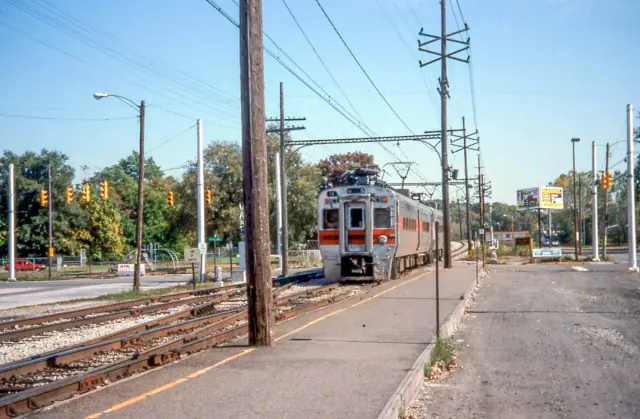
The South Shore Line station guide lists Miller at 760 S. Lake Street and Gary Metro Center at 200 West 4th Avenue. Check the operator’s location and access information before selecting a boarding point. These two names do not describe the same entrance.
Compare your access to a station with the service you intend to use. The nearest station on a map is not automatically the best choice if the whole journey requires a different connection, parking arrangement or accessible entrance. Verify the actual service pattern rather than assuming that a station listed on the network map is served by every departure.
For Chicago, select the station that relates to the final address. Reaching a downtown terminal and reaching the appointment or attraction are separate tasks. Include the last connection or walk in the plan, and check whether you will need information from another transport provider.
The official schedule information distinguishes Central Time from South Bend’s Eastern Time. Keep the operator’s time-zone note with any journey continuing beyond Gary or Chicago. If a calendar invitation or phone display uses another zone, compare the stated zones rather than copying an unlabelled time.
Use a timetable and service notices together
Start at the current South Shore Line schedule page. Select the direction and service-day category that match the trip. Then open the operator’s current service notices. The timetable describes planned service; a notice can change the arrangement that applies today.
- Confirm the intended travel date and whether the operator treats it as a weekday, weekend or holiday.
- Find the exact origin and destination in the correct direction.
- Read the symbols and footnotes that apply to the proposed departure.
- Check for a notice affecting the station, train, boarding arrangement or required connection.
- Repeat the process for the return trip instead of assuming the outward pattern works in reverse.
Old timetable PDFs can remain visible in search results. A document title or upload year alone does not prove that it is the version linked by the operator today. Save the official page that led you to the document, so you can reopen that route and check for a replacement before travelling.
Do not interpret a general service notice without checking its date, affected place and period. An archived disruption is not proof that a journey is disrupted now. Equally, an older announcement that normal service would resume is not a promise that no later change has occurred. Use the current notice route and contact the operator when the pages do not give a clear answer.
Check GPTC for the local part of the trip
Gary Public Transportation Corporation’s routes page provides local and regional route information, maps and timetable links. Use its destination information to identify a candidate route, then confirm the stop, direction and return service. A route passing near an address does not mean that every part of the trip is already resolved.
The GPTC homepage currently states that its fixed-route buses do not operate on Sundays and lists holiday exclusions. Check the operator directly for the relevant day, particularly when connecting from rail. A Sunday train journey should not depend on a bus that you have only checked for a weekday.
When comparing a bus-to-train connection, allow for reaching the correct boarding location and interpreting the stop information. If a transfer is essential, identify a later usable service before committing to the first one. A connection with no workable fallback may be unsuitable for a time-critical appointment even if a planner shows that it is technically possible.
For the destination leg, check where you will get off and how you will reach the entrance. Do the same for the return boarding point; it may be in a different place or on the other side of a route. Save enough of the route information to distinguish the two directions when you are away from the screen used for planning.
Compare the entire journey, not one ticket
A useful comparison includes more than the time or price of the main service. This guide does not insert sample fares, quote parking charges or declare one option cheapest. Get current terms from the operator or destination and record which people and journey dates they cover.
| Input | What to include |
|---|---|
| Door-to-door time | Time reaching the stop, waiting, riding, changing services and reaching the entrance. |
| Return constraint | The last acceptable departure for your own plan, plus a usable alternative. |
| Total cost | Tickets for the actual travellers, any separate connection and confirmed parking or other applicable charges. |
| Access needs | Required entrances, boarding arrangements, walking surfaces and assistance. |
| Flexibility | How easily the plan can change if an appointment runs long or an activity ends early. |
If you compare car and public transport, use the same final entrance and arrival requirement for both. A driving estimate that ends at an area name and a train estimate that includes a final walk are not equivalent. Keep one-off access or parking assumptions visible rather than treating them as permanent facts about a destination.
When a trip uses more than one provider, check each provider’s payment and transfer conditions. Do not assume a ticket, discount or payment method covers a separate service. If travelling as a group, verify the conditions that apply to that group rather than multiplying a headline fare without checking its rules.
Match the journey to the traveller
Use the South Shore Line ADA information to investigate the particular stations and boarding arrangements you need. Check current elevator and access notices as part of that process. A general statement about an accessible network should not replace a station-specific check.
Describe the whole journey when asking for help: origin, destination, date, intended service and any required equipment or assistance. Include the return if its station entrance or boarding arrangement differs. Ask what to do if the expected access is unavailable, so the fallback is known before you reach the station.
The operator’s rider FAQ includes bicycle and stroller rules. Its bicycle guidance warns that space is not guaranteed and identifies designated boarding arrangements. Verify the current requirements for your equipment and both stations before making a bicycle essential to the final leg.
Think beyond the train when bringing a bicycle or other large item. Check storage at the destination and whether the intended path permits it. For example, the Miller Woods trail rules prohibit bicycles. Permission to carry an item on transport is not permission to use it on a park trail.
Carry only what you can manage through the journey you have actually planned. If you need assistance, arrange it through the appropriate provider rather than assuming another traveller or a member of staff will be able to handle every item. The right question is what works for the individual trip, not whether a broad mode is described as convenient.
Prepare a recovery option
A useful fallback is specific enough to act on. Identify the next usable service, an alternative way to reach the destination or the contact needed to reschedule. Do not rely on an unverified taxi or ride-hailing availability promise. If using a private service, confirm it with that provider.
If you miss a connection, reassess the entire remaining trip. A later train may solve the main leg while making the destination closed or the return impractical. Check those consequences before buying another ticket or starting a longer walk. Contact the destination if a delayed arrival affects an appointment.
If online information is unavailable, reopen saved addresses and documents, then use the operator’s official contact route for changing service information. A saved timetable can help identify what you intended, but it cannot establish the present operating situation. Avoid treating an empty page or a missing departure result as proof that a service has been cancelled.
The South Shore Line’s operational guidance explains that extreme weather can lead to changed or suspended service. Recheck the transport plan when the weather changes, even if the destination itself remains open. Keep the decision about continuing separate from any money already spent on a ticket.
Complete a short journey worksheet
Before leaving, make a note with the following fields. It is a checklist for your own information, not a request to submit personal details to GaryCity.
- Starting point: full address or agreed meeting place.
- Destination: full address, entrance and required arrival time.
- Outward journey: boarding location, service-day category and the official source checked.
- Final leg: confirmed connection or route from the stop to the entrance.
- Access requirements: station, boarding and destination arrangements to verify.
- Return: intended service and a usable fallback.
- Changing information: where to reopen the current notices.
Keep sensitive payment or identity information out of a publicly shared itinerary. Share the practical details the group needs, agree where to meet if separated and identify who has the relevant confirmations. A clear shared plan makes it easier to change one part without losing track of the others.
Choose the Chicago arrival before choosing the train
The official station guide identifies Millennium Station at Randolph Street and Michigan Avenue, Van Buren Street at Michigan Avenue, and Museum Campus/11th Street between Columbus and Michigan Avenue. Those are different arrival points. Compare their relationship to your actual destination before treating a downtown terminal as the automatic answer.
For a museum or event, use the public entrance named on the venue's own visitor information, not a pin in the middle of a large site. For an appointment, keep the building address and any entrance instructions together. Then check whether the proposed train serves the selected arrival station. A useful-looking station on a network map is a candidate, not a promise about an individual departure.
Plan the final connection as a separate leg
The CTA planning page accepts a starting point, destination and date/time, and provides access to route information and alerts. Use the rail arrival point as the starting point for that enquiry. Include the transfer between the rail platform and the next boarding location; selecting two nearby station names does not describe the path between them.
For the return, identify the entrance you will actually use to reach the South Shore Line. A recognizable surface landmark is helpful, particularly when a group leaves an event from a different exit. Keep the station name visible in the group plan so a member does not independently navigate to an unrelated railway terminal.
Read one candidate departure all the way across
Work with a single train column or journey result at a time. Match the boarding station to its time, carry that same service through to the destination row, and then inspect the accompanying notes. Combining the departure from one train with an arrival from another produces an itinerary that does not exist, even when both times appear in an official document.
- Select the correct direction and service day.
- Identify one departure serving the intended Gary-area station.
- Follow that service to the chosen Chicago station.
- Read any stop, operating-day or boarding qualifications.
- Add the onward journey and decide whether the resulting arrival meets your purpose.
A blank entry, special symbol or note needs the timetable's own legend. Do not invent a meaning from another operator's PDF. If the intended service cannot be followed clearly from origin to destination, choose a clearer candidate or ask the operator to explain it. The schedule landing page is the place to begin that check.
Set the return trip independently. Start from when you can realistically leave the destination, add the journey to the station entrance and allow time to reach the boarding area. Select the planned train and a later workable alternative. If a later departure would leave no way to complete the Gary side, the fallback is not complete.
Make weekdays, weekends and holidays explicit
Put the calendar date at the top of the itinerary before adding times. A familiar route can operate under a different timetable on a different type of day. Check the category used by each operator rather than assuming that a school closure, a public holiday and a weekend all imply the same service pattern.
For a regular commute, build one record for the usual pattern and a second note for exceptions that actually affect your dates. A saved screenshot of a normal weekday departure is useful as a reference, but it should not replace the current source when planning an unfamiliar date. Keep the link beside it so updating the plan takes one clear step.
| Part of the trip | Question to resolve |
|---|---|
| Gary bus | Does the route run on this date and in this direction? |
| South Shore Line | Which timetable category and notice apply? |
| Chicago connection | Does the connecting route serve the required entrance and time? |
| Destination | Is this an ordinary opening day or a separately ticketed event? |
| Return | Does every remaining leg still work after the main activity ends? |
Gary and Chicago are handled in Central Time in the rail information. The operator identifies South Bend in Eastern Time. Label a journey that continues to South Bend accordingly. Do not apply that exception to a Gary–Chicago trip or assume that crossing the Indiana–Illinois state line is itself a time change.
Buy the ticket for the journey you have checked
Use the operator's tickets and fares page after selecting the station pair and date. Check the passenger category, product validity and purchase instructions shown there. Ticket names and discounts are conditions to read, not interchangeable labels. A fare seen in an old article may refer to another station, period or travel product.
Before payment, confirm that the selected product covers the intended direction and travellers, and that you understand how it must be presented. If using an app, read its instructions about buying, activating and displaying a ticket. Do not assume that a purchase confirmation and a valid ticket ready for inspection are the same screen.
For a frequent journey, compare the relevant repeated-trip product with the trips you will actually make. Count the days you expect to travel, any days away and the other transport costs still payable. A product intended for regular use can be unsuitable when the pattern is occasional; a low single-trip headline is not a calculation of a full month's travel.
Keep the rail purchase separate from any GPTC or Chicago transit payment until the relevant providers confirm their acceptance rules. In a cost comparison, use separate rows for each provider, parking and the final connection. This makes it clear which number is a confirmed price and which remains an input to obtain.
GaryCity does not take payment or hold your transport account. Reach purchase and account tools through the operator's official page, especially when entering payment details. Keep the travel worksheet free of full card numbers or passwords; the useful shared information is the service and the ticket arrangement, not the private account credentials.
Use a worked planning pattern without invented departure times
A fixed Chicago appointment
Write the appointment's required arrival first. Find the entrance and the final local journey, then choose a rail arrival that leaves a margin for that leg. Next work backwards to the Gary station and the trip from home. This order prevents a fast-looking train ride from concealing an awkward station approach or a destination across the city.
Confirm the appointment's policy for late arrival through the host, and keep its contact route with the itinerary. For the journey home, use a realistic finishing window rather than the earliest possible end. A return train chosen from an optimistic assumption can turn an otherwise simple appointment into a rushed transfer.
A flexible day out
Select one activity as the anchor and treat others as optional. Check the destination's admission arrangement and the return travel before adding extra stops. If the outward trip runs late, reduce the optional part instead of compressing every task into the remaining time. Keep a meeting point and an agreed departure decision for the group.
A museum visit and an evening event create different return constraints even when they share an arrival station. Check the actual activity, not just the geographic destination. If the event's finish is uncertain, a confirmed later transport option is more useful than an exact arrival estimate for the outward ride.
A Gary lakefront outing from Chicago
Reverse the process for a visit to Miller. Select the lakefront entrance first, then determine the link from Miller station to it. The Miller Beach guide distinguishes the Douglas Center, Miller Woods and Marquette Park. A station named Miller is not the entrance to every one of those places; resolve that local leg before calling the outing planned.
Compare driving using the same arrival requirement
For a car comparison, use the same origin, final entrance and required arrival as the public-transport plan. Add the place where the vehicle will remain and the route from that place to the entrance. A navigation estimate ending at a building is incomplete when the relevant parking is elsewhere or the drop-off arrangement differs.
INDOT TrafficWise is Indiana's official traffic-map starting point. Its interactive map needs JavaScript. Use current road information alongside the destination's own approach and parking instructions, particularly for a date with a special event. This guide does not assign a permanent travel time to a road journey that depends on the actual origin, conditions and stopping arrangement.
For cost, keep separately confirmed charges separate from estimates you calculate yourself. Parking and any applicable tolls belong with the chosen route and date; fuel depends on your own vehicle and trip. If several people share the ride, compare the whole group's cost with the whole group's transport requirements rather than one driver's cost against one passenger's fare.
Decide who can change the plan. A prearranged pickup, a parked vehicle and an on-demand service have different practical constraints. Agree the pickup point with the actual provider or driver and keep the destination's authorized stopping instructions in mind. Do not rely on an unspecified promise that a car will be available after the event.
Organized groups need a separate booking check
The South Shore Line group-travel page sets out a separate enquiry process. On this review it asks organizers to submit information at least three weeks before the proposed trip and lists stations where group trips are not permitted, including Gary Metro Center and Gary/Chicago Airport. Treat those as group-booking conditions to verify, rather than assuming that every station usable by an individual can host an organized group arrangement.
Prepare the proposed date, passenger numbers, age categories, boarding and arrival stations, and the activity's start and finish. Explain any access needs early. Ask the operator which service and station arrangement can accommodate the group, then coordinate that answer with the destination. An enquiry is not the same as a confirmed reservation.
Give participants one final itinerary with the agreed meeting point, responsible contact and return arrangement. Decide how the organizer will check attendance before departure and before leaving the activity. Keep private participant information in the organizer's appropriate records; the shared itinerary only needs the information required to meet, travel and regroup.
If your party is informal rather than an organized booking, use the ordinary passenger instructions that actually apply. Do not borrow a group-discount statement or a different age category from another page to calculate a fare. The operator's response and applicable ticket conditions should settle that question.
Prepare useful information when the phone or connection fails
Save the selected station names, street entrances, planned service references and destination details before setting out. Keep a readable copy that the intended traveller can use. A tiny screenshot of an entire timetable is less helpful than a clearly marked relevant service plus the document's date and source link.
For an app ticket, follow the operator's own availability and display instructions; a screenshot should never be assumed to substitute for an active ticket. Check that the device can support the whole journey and that the person who must present the ticket has access to it. For another ticket format, understand where it is collected or shown before leaving the purchase step.
Agree a meeting location that can be described in words. If the group becomes separated, a named entrance and a chosen contact are easier to use than “somewhere near the station.” When the plan changes, tell the group which specific step changed: station, train, final connection or meeting place. That prevents one member continuing with an obsolete version while others follow the replacement.
For a service question, use the operator's official contact route rather than a speculative answer from an unrelated directory. Keep the factual description short: date, station, intended departure and issue encountered. This gives the operator enough context to identify the relevant information without sharing the rest of a private itinerary.
Test a recurring commute before relying on the pattern
For a new regular journey, make the first trip under the conditions that matter to the routine: the intended day category, station approach and arrival requirement. Record where extra time was actually needed. This is more informative than testing a leisurely midday trip and assuming the same experience applies to an early appointment.
After the trial, divide observations into stable details and changing details. The entrance you used and the location of the onward stop can help with the next journey. The wait you happened to experience is one observation, not a timetable guarantee. Keep the official planned service beside the observation so the two do not become confused.
If the routine combines travel and caring responsibilities, check both ends of the day before selecting a repeated-trip ticket. A workable outward journey may still leave an unsuitable return. Agree who handles a delayed arrival and which contact needs an update. An arrangement is more resilient when the response to a delay is already practical rather than merely described as flexible.
Review the routine when the workplace, school, appointment time or local connection changes. You do not need to rebuild every detail each morning, but a change to one fixed part can invalidate the rest. Keep a dated plan that can be revised, with the operator's current timetable as the reference for the rail leg.
Travel questions
How long does Gary to Chicago take?
Use the current service for your actual stations and day, then add the access and final legs. This guide does not quote a single time that could be mistaken for a guaranteed door-to-door journey.
Can I assume the station closest to me is the best one?
No. Compare the service, entrance, access arrangements and whole journey. A map distance is only one input.
Should I copy an old timetable PDF into my plan?
Start from the operator’s current schedule page and check service notices. Keep the version you used, but revisit the official page before departure.
Are buses and trains interchangeable on Sundays?
Check each operator independently. GPTC’s published homepage states no Sunday fixed-route operation; a rail service does not establish a connecting local bus.
Does this page sell tickets or arrange assistance?
No. Use the responsible operator’s official website and contact routes for tickets, assistance and current service information.